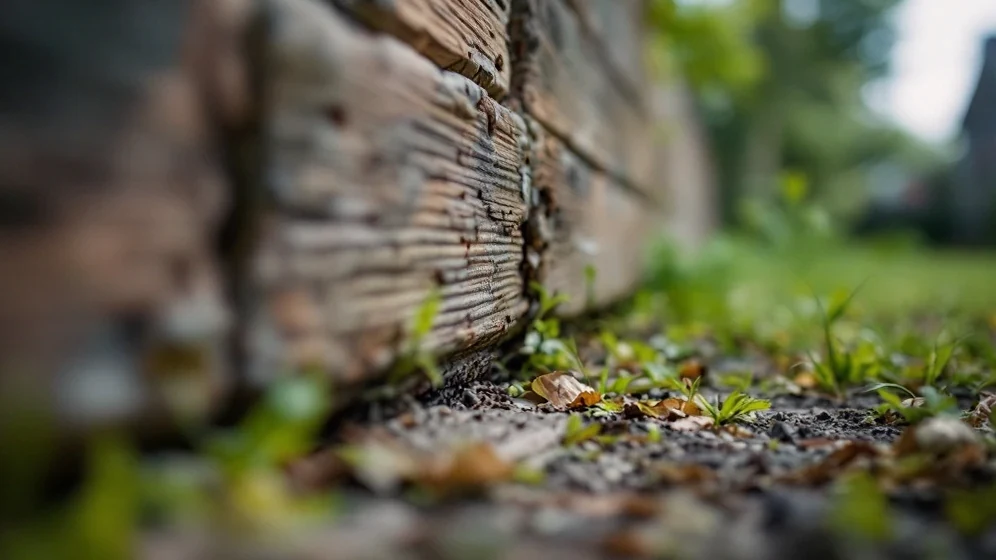
What are the signs you need Fence Installation?
You need a new fence when posts lean, boards rot, gates sag, or the fence no longer keeps pets and kids safe. If repairs cost more than half of a replacement, it's time to install new.
Walk your fence line once a month. Look for boards that feel spongy at the base, posts that lean more than a few degrees, and hardware that's rusted through. These are the quiet clues that a fence is nearing the end of its life.
A fence that's 15 years old or older in Huntsville's humid climate is already fighting a losing battle. Wood rot and insect damage speed up after the first decade. If you're patching the same section twice a year, you're throwing money at a problem that needs a fresh start.
The average fence installation in Huntsville runs between $1,275 and $7,650, depending on materials and length. (getfencefind.com) That's a wide range, but it gives you a ballpark. When you're weighing repair versus replacement, get a quote for both and compare.
Quick checklist
- Posts lean or shift when pushed
- Rot at the base of posts or pickets
- Gates drag, stick, or won't latch
- Visible gaps that pets or kids can squeeze through
- Repair costs adding up to more than half of a new fence
Warning signs to watch for
Watch for leaning posts, rotting wood, sagging gates, loose nails, and insect damage. Any of these can mean the fence is structurally unsound, not just ugly.
Leaning posts are the first red flag. If a post tilts more than 10 degrees, the concrete footing may be cracking or the post itself is rotting underground. That's not a quick fix; it often means pulling the post and resetting it, which is half the cost of a new installation.
Rot shows up first at ground level. Poke the base of a post with a screwdriver. If it sinks in easily, the wood is soft and compromised. The same test works on pickets and rails. Rot spreads fast in Huntsville's warm, wet seasons, especially where the fence touches damp soil.
Gates are the hardest-working part of any fence. A gate that drags on the ground or won't latch is usually a sign the frame has twisted or the hinges have pulled loose. You can adjust a latch, but a sagging gate frame means the wood has lost its strength.
Loose nails and popping screws are another clue. When fasteners start backing out, the boards are shrinking and shifting. Over time, the fence loses its rigidity. If you're re-nailing the same boards every few months, the structure is failing.
Insects are a quieter threat. Look for small holes, sawdust piles, or wood that crumbles easily. Termites and carpenter ants love untreated wood, and once they move in, they hollow out the structure from the inside. A fence that looks fine from the street can be dust inside.
Minor lean, one loose board
You can fix a single board or tighten a hinge. Watch it over the next season.
Rot at the base of multiple posts
The fence is losing its anchor. Plan for replacement within the year.
Posts leaning badly, gates falling off
The fence is a safety risk. Call us this week for a quote.
What causes these problems in Huntsville
Huntsville's heat, humidity, and clay soil are hard on fences. Moisture breeds rot, clay soil shifts and pushes posts, and intense sun dries and cracks wood.
Huntsville gets about 54 inches of rain a year, and the humidity sits high from spring through fall. That constant moisture soaks into wood and never fully dries out. Over years, the fibers break down and rot takes hold, especially at ground level where the fence meets the soil.
The soil here is heavy red clay. It expands when wet and contracts when dry, which puts serious pressure on fence posts. That's why you see posts leaning in Huntsville yards more than in sandy-soil regions. The concrete footings can crack or shift as the ground moves beneath them.
Summer heat is another culprit. UV rays break down the surface of wood, causing it to gray and crack. When the top of a board dries and shrinks faster than the bottom, it splits. Those cracks let water in, which starts the rot cycle all over again.
Poor installation makes it worse. A post set too shallow, concrete mixed too wet, or boards nailed too tight will fail early. That's why a solid install matters more than the material you choose. We set posts below the frost line and use the right fasteners for the job.
A typical 150-foot wood fence is mentioned in most cost guides, and that length gives you a sense of scale. (getfencefind.com) At that size, you're looking at dozens of posts and hundreds of boards, each one a potential weak point if the install was rushed.
Years 1 to 5
The fence looks new. Minor settling may occur, but no structural issues.
Years 6 to 10
Surface cracks appear. Boards may start to cup or warp. Rot begins at ground contact points.
Years 11 to 15
Posts start to lean. Gates sag. Repairs become more frequent and more expensive.
Years 16 and beyond
Structural failure is likely. Replacement is usually cheaper than continued patching.
What happens if you ignore the signs
Ignoring the signs leads to bigger problems: a fence can collapse in a storm, pets escape, kids wander, and the cost of repair climbs. A failing fence also drags down your property's curb appeal.
A fence that's leaning today can be flat on the ground after a strong thunderstorm. Huntsville gets its share of severe weather, and a rotted post has no holding power. When a section blows over, it can damage your lawn, your neighbor's property, or worse, someone who happens to be nearby.
If you have a dog or small children, a failing fence is a safety issue. Gaps at the bottom let a curious puppy squeeze through. A gate that swings open in the wind gives a toddler a clear path to the street. That's not a risk worth taking.
There's also the money angle. A small repair might cost $200 today. Wait a year, and the rot spreads to three more posts, turning a $600 fix into a full replacement. You end up paying more in the long run, and you've lived with an eyesore the whole time.
A neglected fence also hurts your home's value. Buyers see a leaning, patched fence and wonder what else has been ignored. First impressions matter, and a fence is one of the first things people notice from the street.
Financing can soften the blow if you need a new fence now. For example, a $1,000 purchase could cost $45.18 a month for 24 months at a 7.9% APR, or $333.33 a month for 3 months at 0% APR. (standstrongfencing.com) That makes replacement more manageable than you might think.
If you're seeing multiple warning signs, don't wait. The longer you put it off, the more you'll pay in repairs, and the higher the risk to your family and property.
Sources
Need fence installation in Huntsville? Get a free estimate today.
📞 256-695-4525